
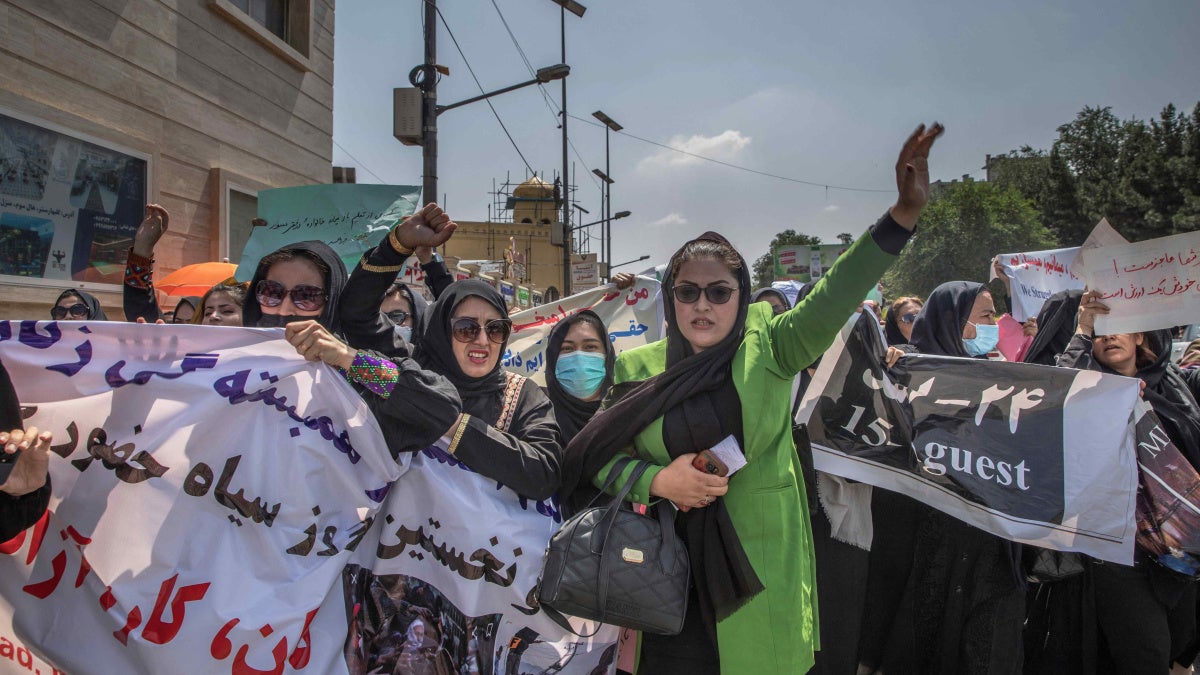

The International Criminal Court (ICC) has issued arrest warrants against key Taliban leaders, accusing them of committing crimes against humanity, including the systematic persecution of women and girls in Afghanistan. The decision marks a significant step in international efforts to hold perpetrators accountable for widespread human rights abuses.
The ICC, based in The Hague, cited evidence of policies and actions that severely restricted women’s access to education, employment, and public life, as well as reports of violence and intimidation targeting women who resisted the Taliban’s harsh regulations.
Crimes Against Humanity
The warrants allege that the Taliban leadership implemented systematic measures that violated fundamental human rights. Women and girls have faced bans on secondary education, restrictions on mobility, and targeted violence for defying edicts. International observers have repeatedly condemned these actions as constituting crimes against humanity.
“The ICC’s action demonstrates that the international community will not ignore the systematic oppression of women and girls,” said a senior ICC official. “Accountability is essential to prevent further abuses and to send a strong message that such crimes will not go unpunished.”
International Response
Human rights organizations around the world have welcomed the ICC’s move. Amnesty International and Human Rights Watch emphasized the importance of arresting and prosecuting those responsible to ensure justice for the victims.
United Nations officials also reiterated their concern for the plight of Afghan women and girls, many of whom have been denied basic rights since the Taliban returned to power in 2021. The international community continues to call for safe access to education, healthcare, and economic opportunities for Afghan women.
Challenges Ahead
While the ICC has issued the warrants, enforcement remains a major challenge. Taliban leaders are unlikely to surrender voluntarily, and the international body depends on cooperation from member states to carry out arrests. Despite this, the warrants signal a growing resolve to confront abuses and uphold international law.
Legal experts note that this step could pave the way for further investigations into other human rights violations committed under Taliban rule. It also underscores the importance of global institutions in defending the rights of vulnerable populations, particularly women and girls in conflict zones.