
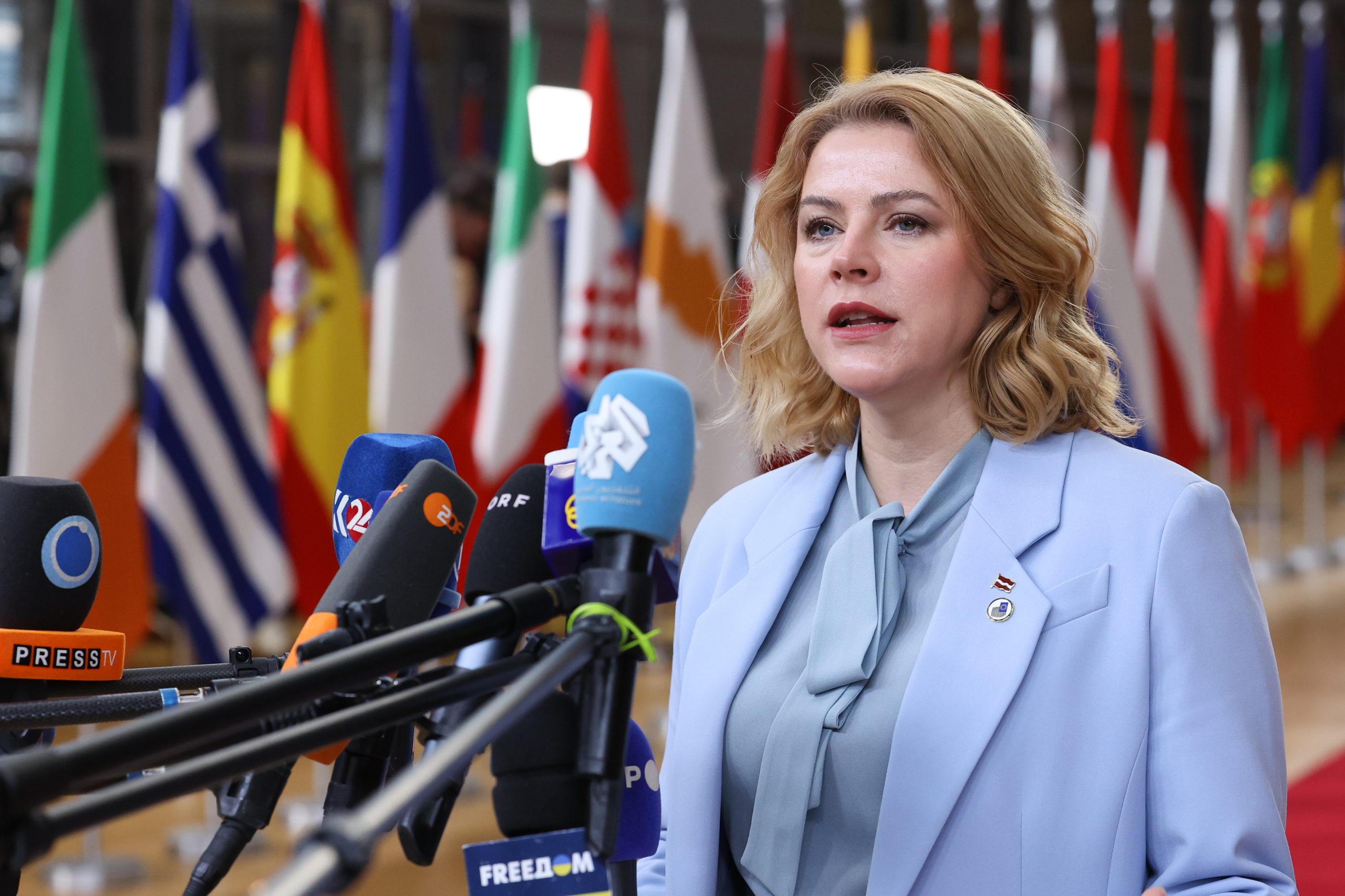

Latvia’s recent decision to withdraw from the Istanbul Convention has sparked one of the most intense political and social debates the country has seen in years.
After hours of fierce arguments in Parliament, lawmakers voted in favor of exiting the treaty that was specifically created to protect women from domestic violence, stalking, forced marriage, and other forms of abuse. Supporters of the withdrawal continue to argue that the convention goes beyond protecting women and introduces what they call “gender ideology,” a claim widely disputed by legal experts and human rights advocates.
Critics say the vote is not just a technical political move , it represents a step backward for women’s safety and sends a dangerous message that gender-based violence is no longer treated as a national priority.
Women’s organizations, legal experts, and many European observers fear that leaving the convention will weaken the support networks and legal frameworks victims rely on. The vote has also drawn attention across the European Union, with many leaders questioning whether Latvia’s decision may inspire similar actions in neighboring countries.
For many Latvians, the withdrawal symbolizes more than a policy shift; it signals deep cultural and ideological divisions about how women should be protected in modern society.